
The Darshana Library

Twelve waysof seeing.

Six schools that accept the authority of the Vedas, and the traditions that challenged them. Each is written three ways — Simple, Detailed and Scholarly — so you can begin anywhere and go as deep as you wish.
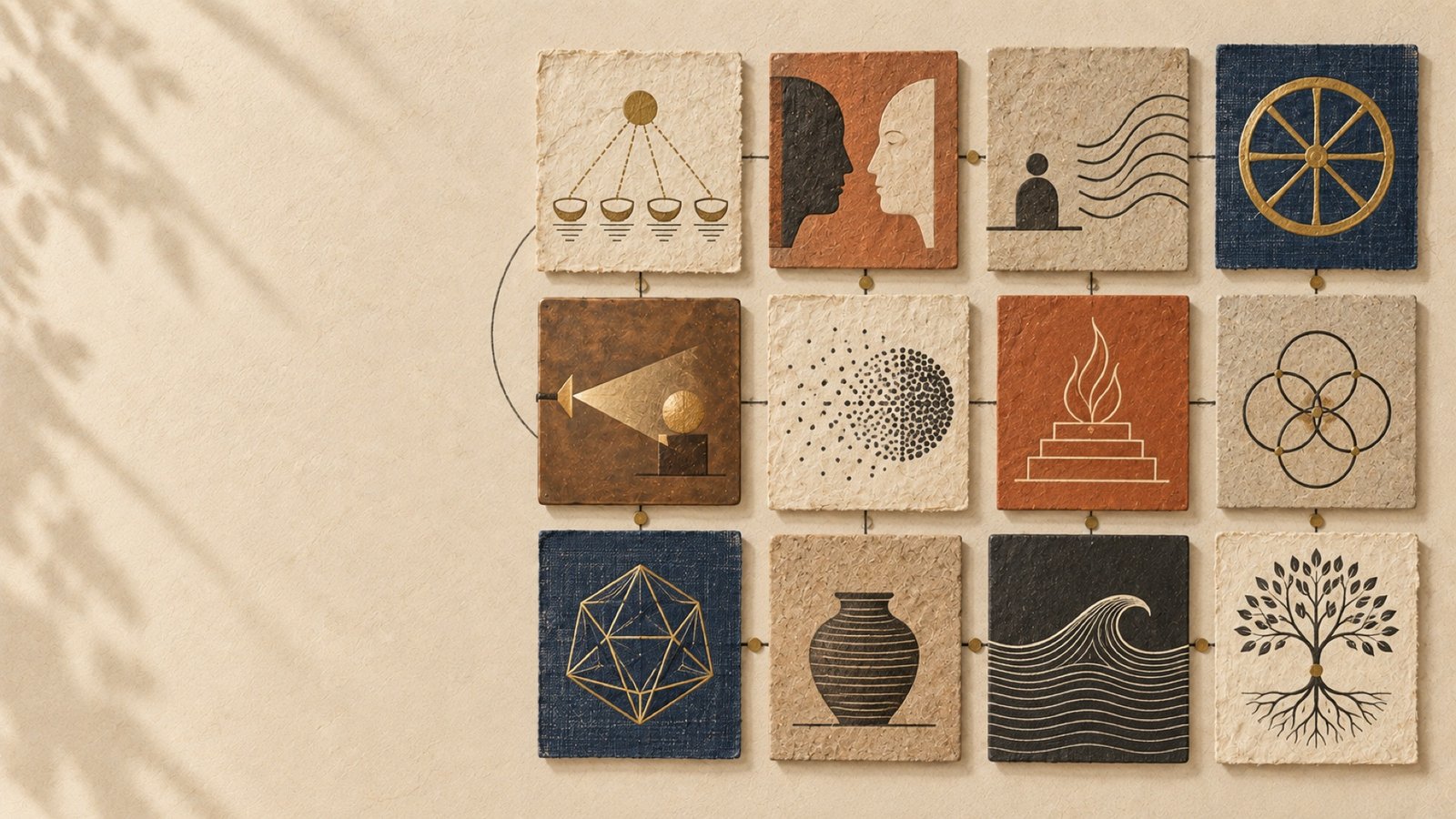
Twelve carved tiles, each bearing a philosophical symbol, arranged on a sunlit wall
Family
A question
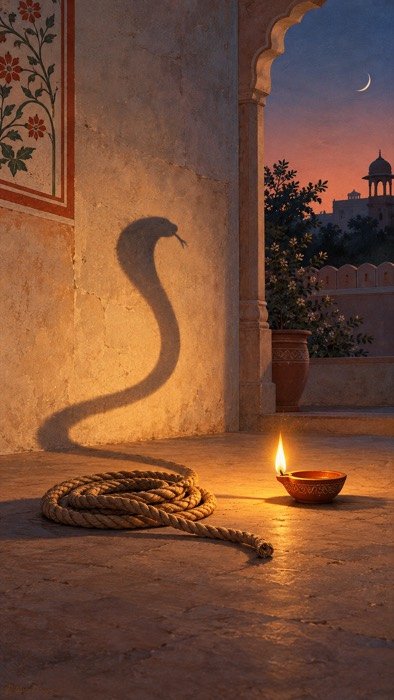
Advaita Vedanta — symbolic illustration
Iअद्वैत वेदान्त

Advaita Vedanta

What if the self you seek is already the ground of experience?
VedantaEarly medievalNon-dual theism
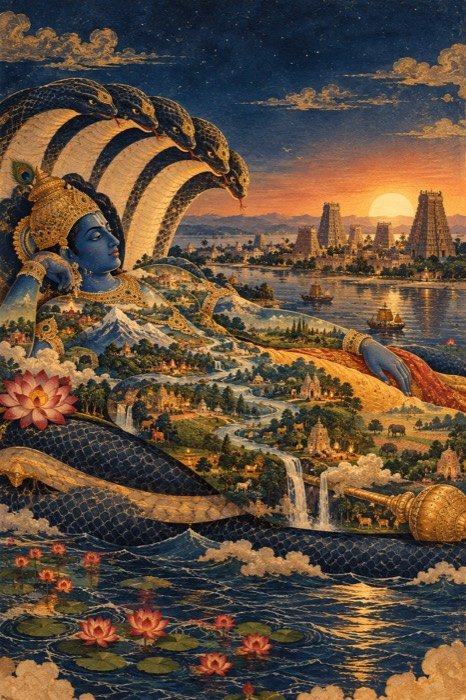
Vishishtadvaita — symbolic illustration
IIविशिष्टाद्वैत

Vishishtadvaita

A unity spacious enough to preserve difference.
VedantaMedievalTheistic
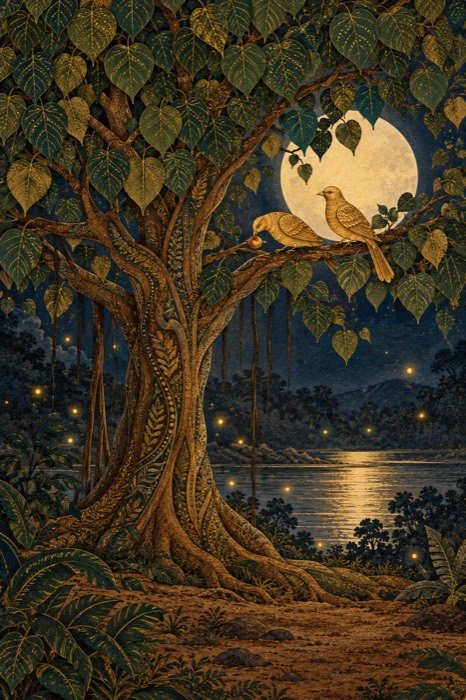
Dvaita Vedanta — symbolic illustration
IIIद्वैत वेदान्त

Dvaita Vedanta

Difference is real. Relationship is ultimate.
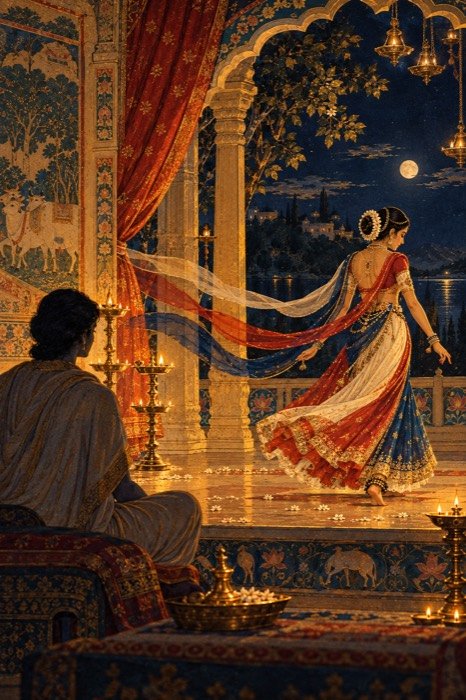
VedantaMedievalTheistic
Samkhya — symbolic illustration
IVसांख्य

Samkhya

The mind changes. Is the knower of change something different?
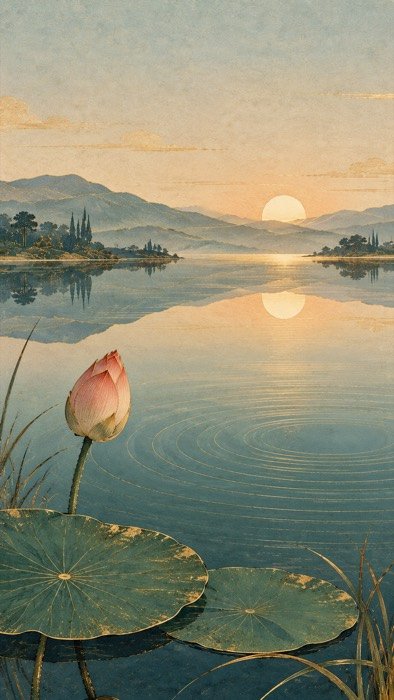
Classical darshanaClassicalNon-theistic
Yoga — symbolic illustration
Vयोग

Yoga

A disciplined inquiry into attention, habit and freedom.
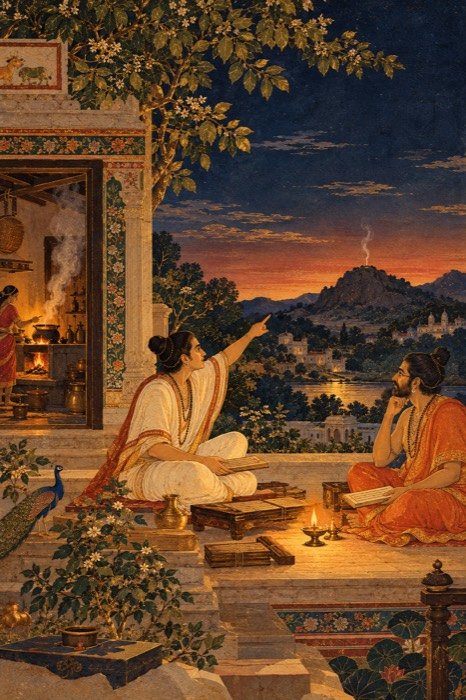
Classical darshanaClassicalTheistic
Nyaya — symbolic illustration
VIन्याय

Nyaya

Before asking what to believe, ask how you know.
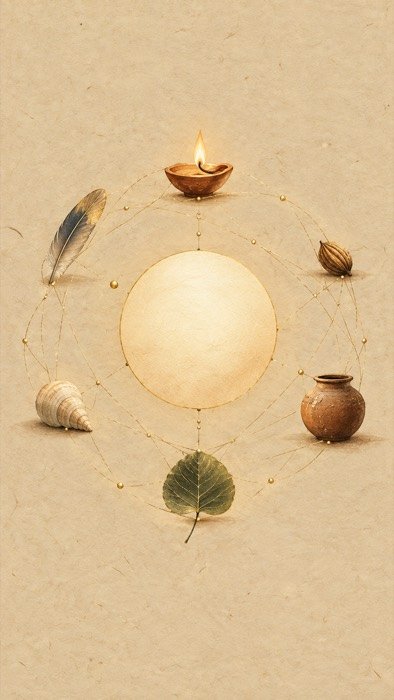
Classical darshanaClassicalTheistic
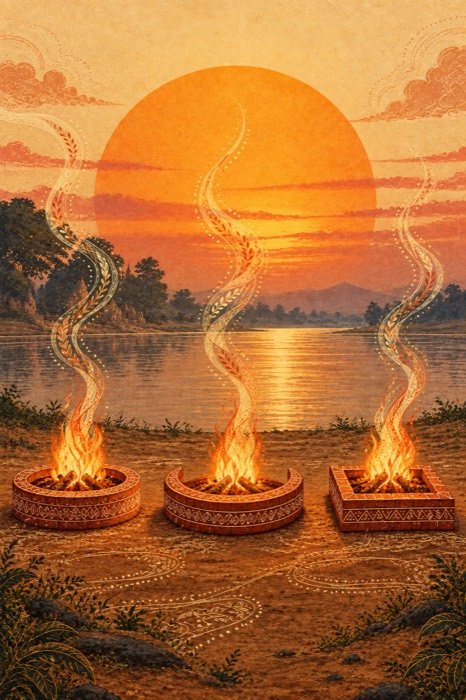
Vaisheshika — symbolic illustration
VIIवैशेषिक

Vaisheshika

What kinds of things must exist for a world to make sense?
Classical darshanaClassicalTheistic
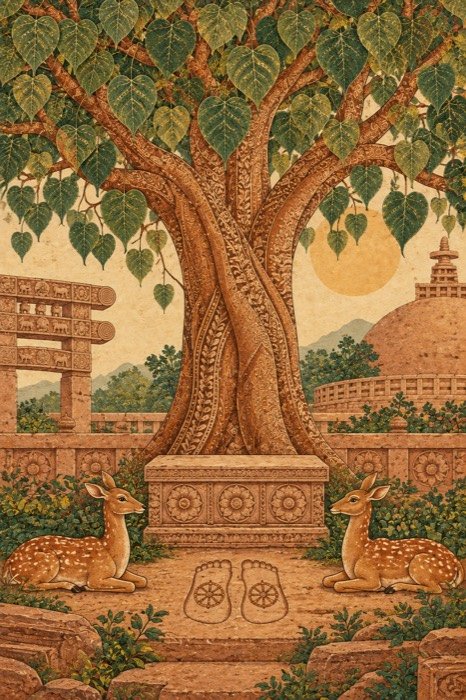
Mimamsa — symbolic illustration
VIIIमीमांसा

Mimamsa

How do words become reasons to act?
Classical darshanaClassicalNon-theistic
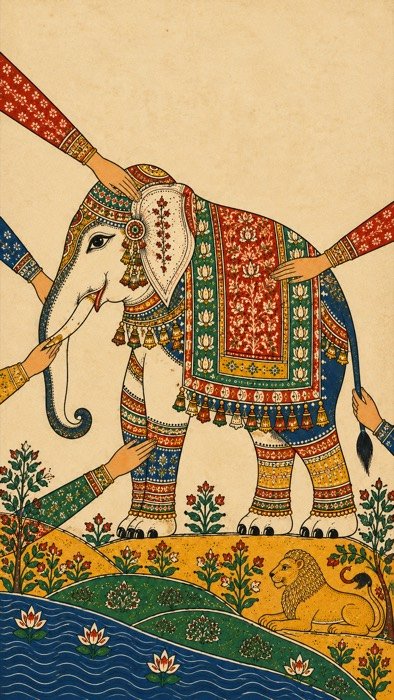
Buddhism — symbolic illustration
IXबौद्ध दर्शन

Buddhism

What changes when we stop treating the changing as a permanent self?
ShramanaEarlyNon-theistic
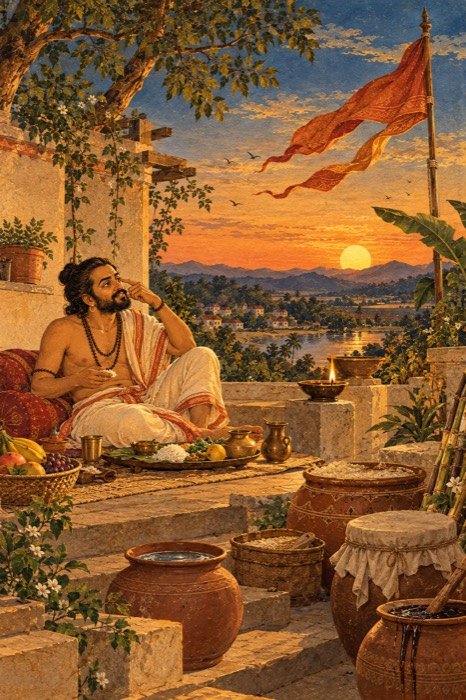
Jainism — symbolic illustration
Xजैन दर्शन

Jainism

A many-sided reality. A demanding ethic of care.
ShramanaEarlyNon-theistic
Charvaka — symbolic illustration
XIचार्वाक

Charvaka

What can we responsibly claim beyond the world we can experience?

MaterialistEarlyAtheistic
Kashmir Shaivism — symbolic illustration
XIIकाश्मीर शैव दर्शन

Kashmir Shaivism

What if the world is consciousness expressing its freedom?

ShaivaEarly medievalNon-dual theism